
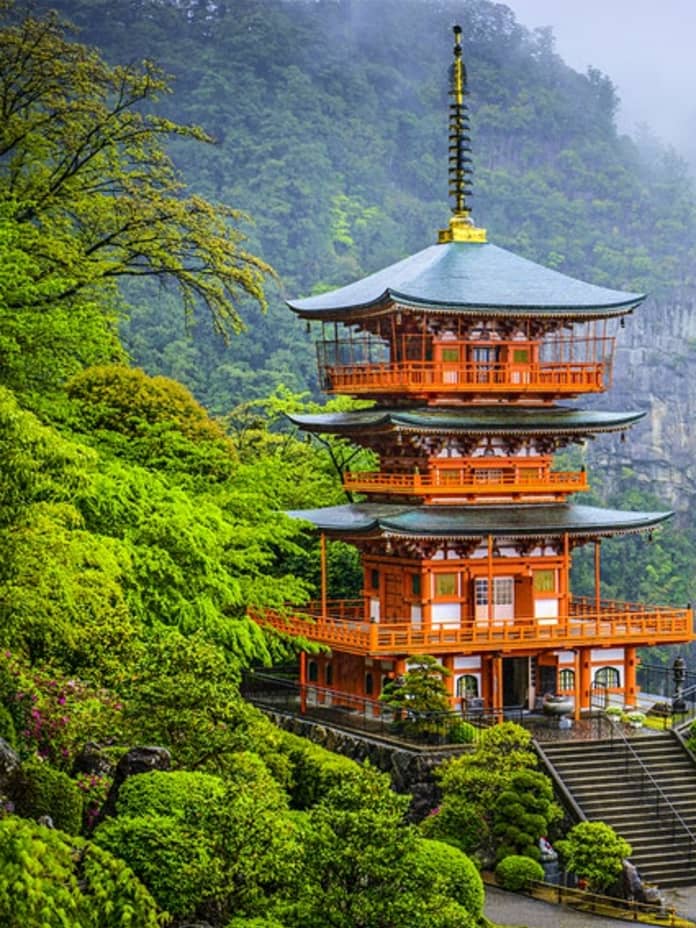
Cruise Japan with Kinga Bledsoe!
April 8 – 23, 2028
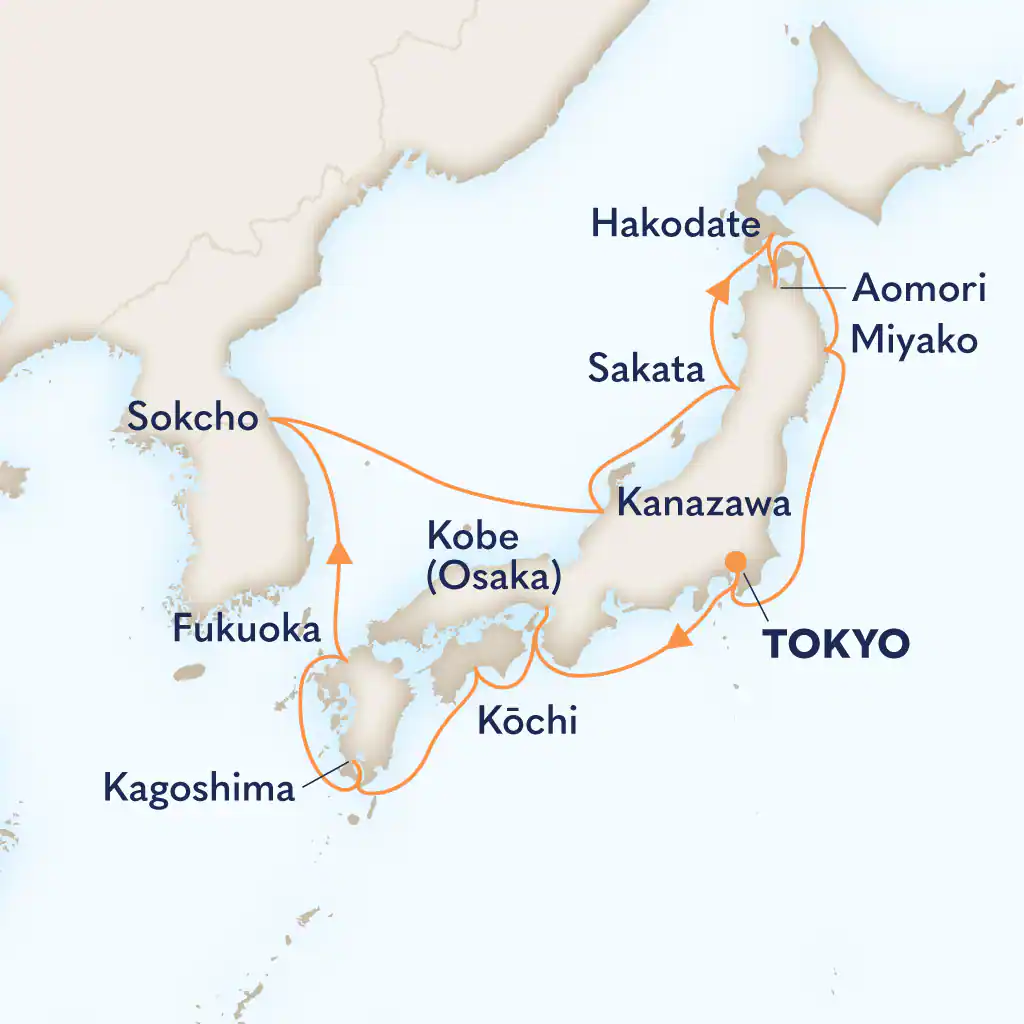
Tokyo ~ Kobe ~ Kochi ~ Kagoshima ~ Hakata ~ Sokcho, South Korea ~ Kanazawa ~ Sakata ~ Hakodate ~ Aomori ~ Miyako
Join Beadventures on this 14-night cruise around Japan on Holland America's Noordam. And as if it can't get better, you'll be joined by amazing bead artist Kinga Bledsoe (Nichols) for a workshop on a project inspired by your destinations.
Itinerary
Day 1. Saturday, April 8. Arrive in Tokyo.
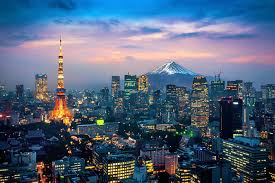 Today you’ll arrive in Tokyo at either the Haneda (HND) airport or Narita (NRT) airport. You’ll be met by a Holland America representative for transfer to our Tokyo hotel for a one-night stay. With its futuristic skyscrapers, unrivaled food scene, and wild nightlife, Tokyo is a rush of pure adrenaline. The city is famously cutting-edge, yet its ancient Buddhist temples, vintage teahouses, and peaceful gardens offer a serene escape—and a reminder of its past.
Meals included: All on your own
Day 2. Sunday, April 9. Anchors Away from Tokyo!
 Ship departs 7 p.m.
We will transfer via bus from the hotel to the ship mid-day. After boarding the ship you’re free to have lunch on the Lido Deck, explore the ship, and settle into your cabin. We’ll have dinner in the Main Dining Room around 5 p.m. Following dinner your evening will be free to enjoy the ship’s entertainment.
Meals included: Lunch, Dinner on ship
Day 3. Monday, April 10. At Sea and Workshop with Kinga!
Today the ship is at-sea and we’ll have our first workshop with Kinga!
Meals included: All on-board the ship
Day 4. Tuesday, April 11. Kobe Japan.
Ship arrives 8 a.m.; departs 7 p.m.
The city of Kobe has a rich history, with plenty of things to do, see, and eat. Kobe is a city with a distinctly international feel to it, in contrast to lots of rural Kansai. It’s home to the Jazz
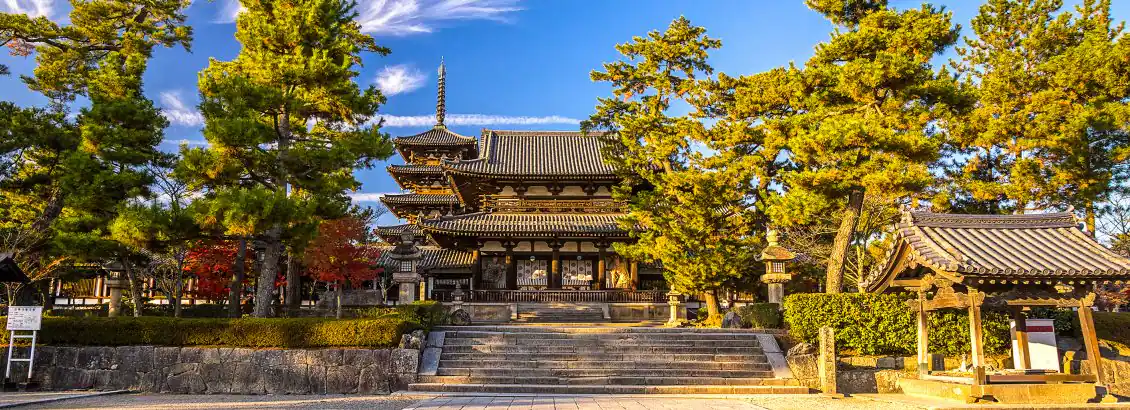 StreetFestival, a yearly fashion show, and the Vissel Kobe and Orix Buffaloes sports teams. It is also the site of Japan’s first Sikh temple and mosque.
Kobe grew as a result of trade with Chinese and Korean visitors. It was known as Hyōgo-tsu (Hyōgo Port) in the 13th Century because of the many incoming ships and merchants. The city wasn’t founded until 1889 when the Meiji Restoration re-opened Japan to the world and made it one of the first cities to welcome new arrivals. Incendiary bombs in 1945 and the Great Hanshin Earthquake of 1995 did much to alter the city’s landscape and identity, but today it still remains a diverse and welcoming city to visitors all year round.
Meals included: All on-board the ship
Day 5. Wednesday, April 12. Kochi, Japan.
Ship arrives 8 a.m.; departs 4 p.m.
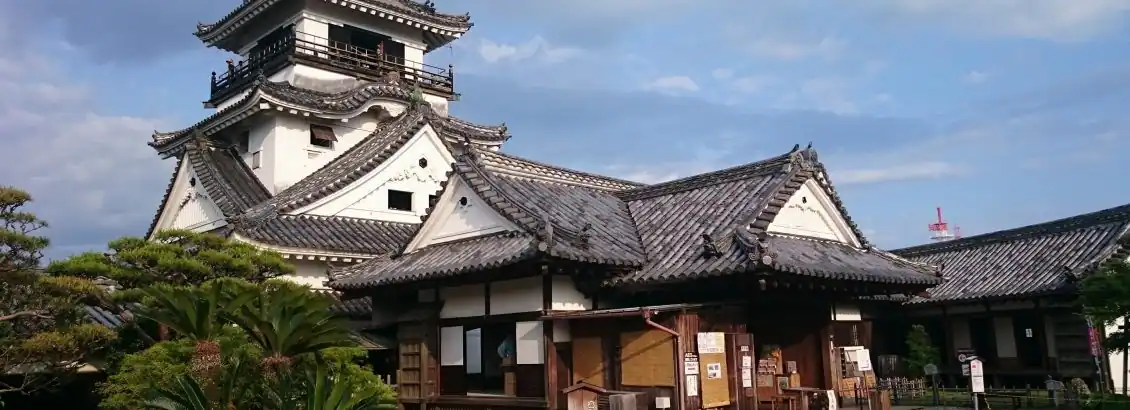 High atop a hill in Kochi sits 17th-century Kochi Castle, once the seat of the Yamauchi lords. Explore this historic site and enjoy panoramic views of the city, then dine on sushi at Hirome Market!
Meals included: All on-board the ship
Day 6. Thursday, April 13. Kagoshima, Japan.
Ship arrives 8 a.m.; departs 4 p.m.
Situated at the southern tip of Japan, Kagoshima is the capital of the prefecture of the same name and famous for its dramatic views of Sakurajima, an active volcano that smolders across the bay.
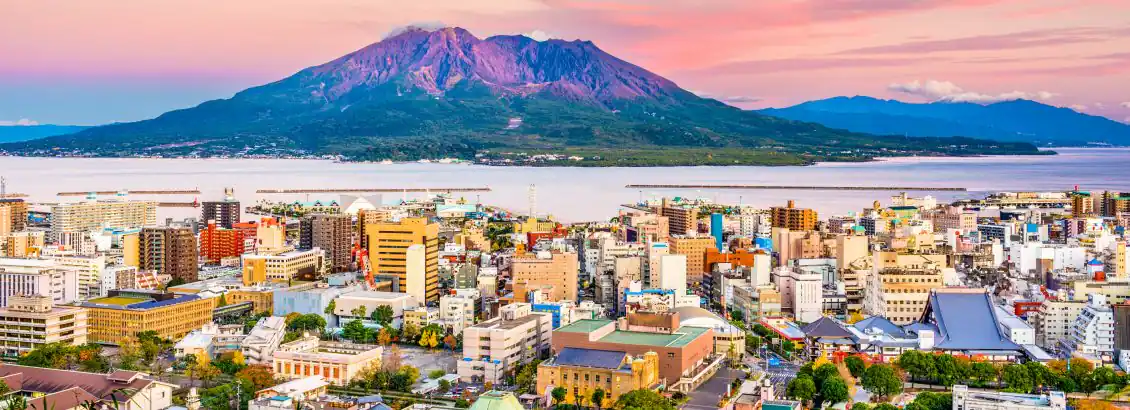 The food scene provides opportunities to experience the area’s rich culinary culture and features dishes using locally caught fish and regional specialties. Although the city was officially founded in 1889, it has an even longer history that is reflected in the 17th-century gardens of Sengan-en. More recent events are covered at a museum dedicated to the kamikaze pilots who flew out of Kagoshima. Other popular attractions include the City Aquarium, the Museum of the Meiji Restoration with its exhibits exploring local history, and the City Museum of Art with its collection that covers both local contemporary and older art.
Meals included: All on-board the ship
Day 7. Friday, April 14. Fukuoka (Hakata), Japan.
Ship arrives 8 a.m.; departs 4 p.m.
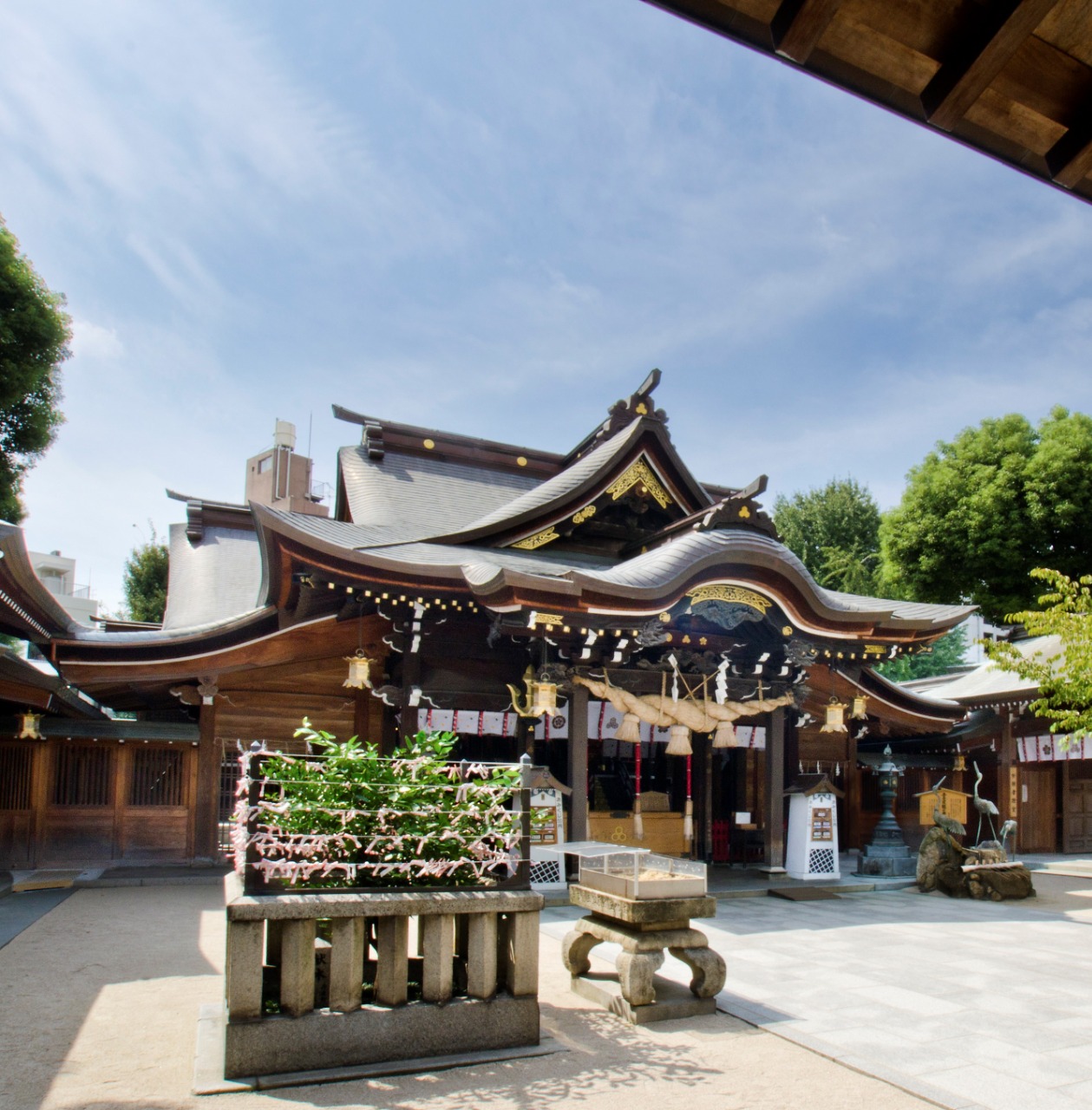
One of Japan’s oldest cities, Hakata holds a particular sway over the Japanese cultural imagination. Long a port city open to China and Korea, it developed a distinct local culture that has influenced all of Japan, from famous Hakata ningyo dolls to tonkotsu ramen. The city of Hakata joined with Fukuoka in 1889. Wander along the streets of Hakata today and appreciate its special atmosphere, characterized by a concerted artistic imagination, and respect for tradition.
Visit the ward’s museums to widen your understanding of the local ethos. See the cutting edge of Japanese and continental art at the Fukuoka Asian Art Museum, known for its wide collection of contemporary Asian art. Get a sense of a more traditional Hakata at the Hakata Machiya Folk Museum, where traditional artisans practice their craft in front of you. Pick up handmade souvenirs at the folk museum or wander around Canal City Hakata, a “city within the city,” with a huge range of boutiques and entertainment options. Catch a show at the Hakataza Theater.
Meals included: All on-board the ship.
Day 8. Saturday April 15. Sokcho, South Korea.
Ship arrives 10 a.m.; departs 8 p.m.
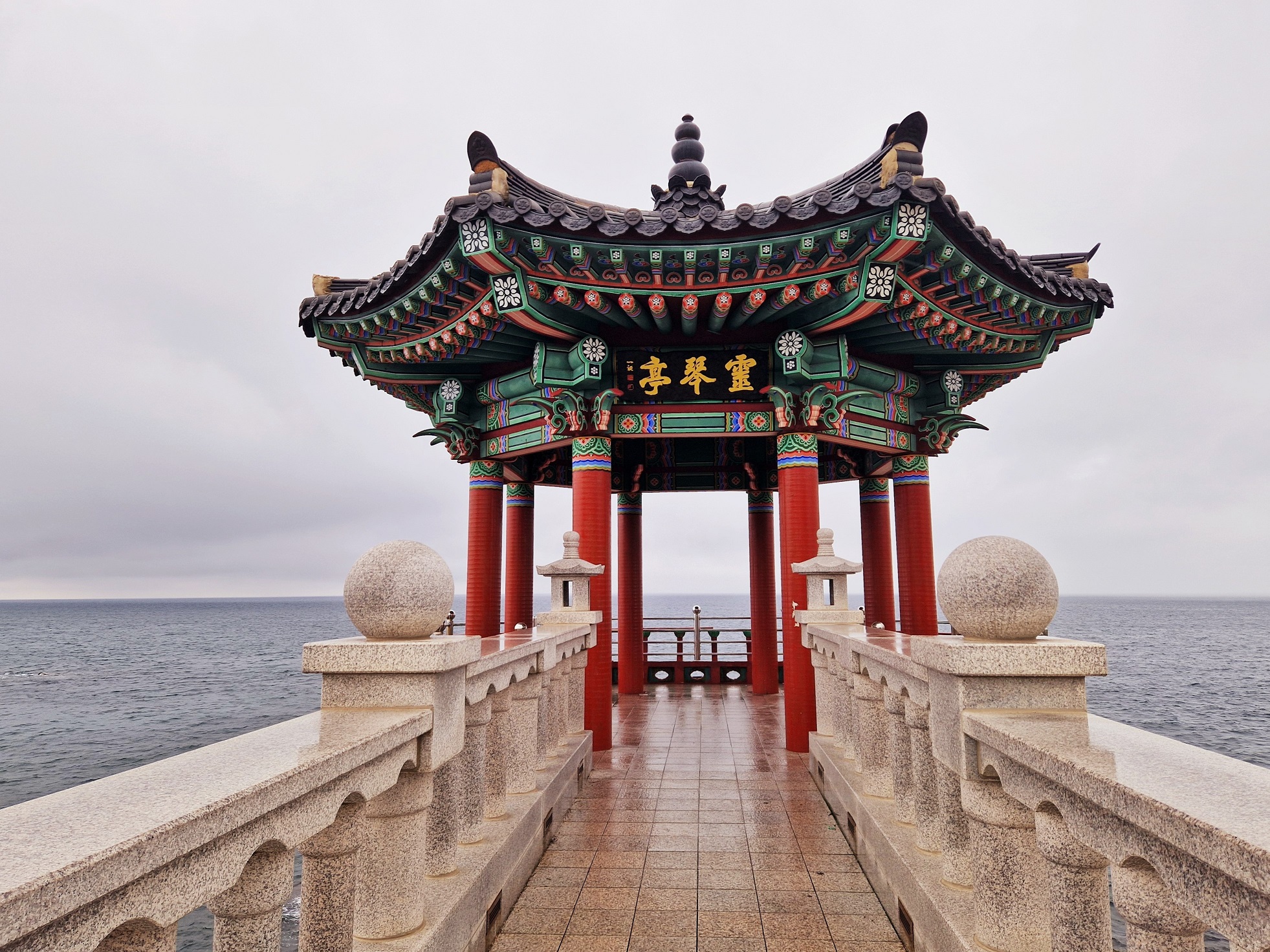 From around the 3rd century to the early 5th century AD, Sokcho was part of Dongue. Originally a sparsely inhabited fishing village along the shores of Lake Cheongchoho, it became a major port due to its location on the Sea of Japan (known as the East Sea in Korea). Sokcho laterbecame a mineral transfer port in 1937. When the Korean peninsula was divided into two countries following World War II, Sokcho was placed under North Korean control, before being captured by the South Korean army on August 18, 1951. Since the Korean Armistice Agreement (1953), it has been a part of South Korea.
Sokcho's traditional market, established in 1953 as the Sokcho Tourist & Fishery Market, offers a variety of items for sale, including fresh fish, dried fish, and various vegetables. It was recently included in the Korea Tourism Organization's list of "Best Traditional Markets for Foreign Tourists". The market is notable for its vibrant atmosphere, where visitors can observe fishmongers bargaining with local shoppers.
Meals included: All on-board the ship
Day 9. Sunday, April 16. At Sea and Workshop!
Another day at sea and we will have our final workshop with Kinga!
Meals included: All
Day 10. Monday, April 17. Kanazawa, Japan.
Ship arrives 8 a.m.; departs 5 p.m.
Located on the shores of the Sea of Japan, Kanazawa is a bustling hub with ships arriving and departing for South Korea, Russia, and China.
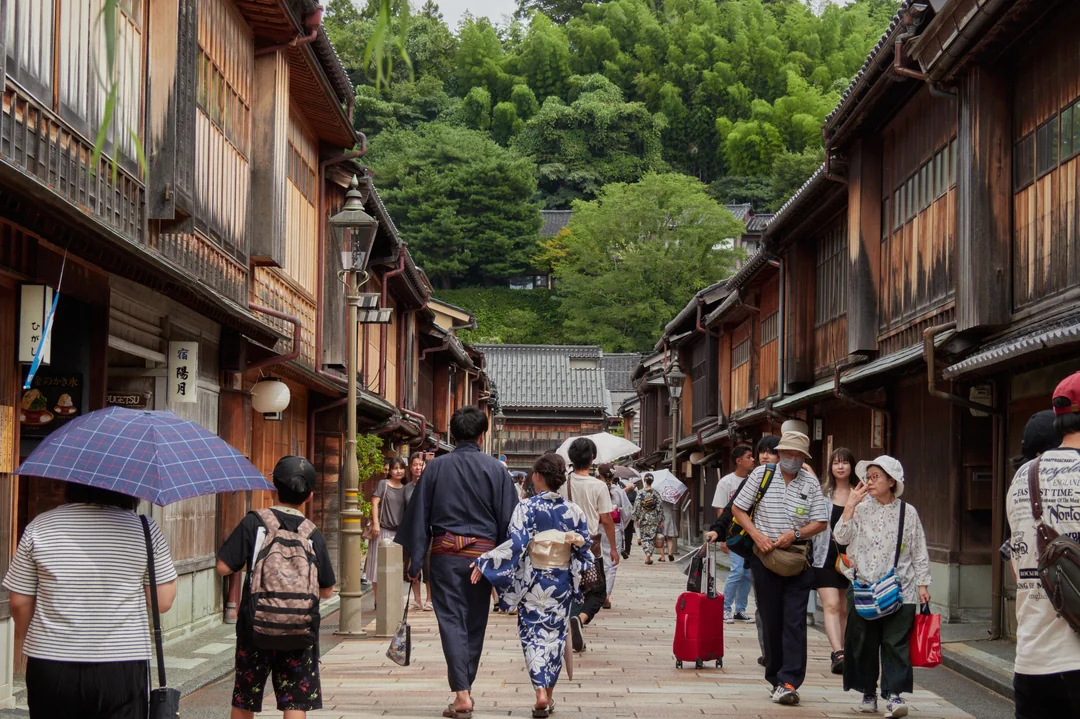 The port is just west of the city center—a former samurai town that was once one of the largest in Japan. Like Kyoto, the city escaped bombing in World War II, and its historic buildings provide a glimpse of old Japan. Of the three teahouse (chaya, in Japanese) neighborhoods, the most famous is the charming Higashi Chaya District. Contemporary Kanazawa has its attractions, too. Sophisticated restaurants serve delicious Kaga cuisine, which highlights the bounty of the sea. Shops sell Kaga-nui pottery, Kutani porcelain, and other handicrafts. Major sights include Kenrokuen—a 17th-century garden that is a high point of landscape design in Japan—and Kanazawa Castle and its park. At the Kanazawa Noh Museum, visitors can learn about Noh theater and storytelling, while the 21st Century Museum of Contemporary Art features both Japanese and international artists (it’s located next to Kenrokuen). Nearby, there are hot springs to bathe in and the natural beauty of the Japanese Alps, Hakusan National Park, and Noto Peninsula National Park.
Meals included: All on-board the ship
Day 11. Tuesday, April 18. Sakata, Japan.
Ship arrives 9 a.m.; departs 6 p.m.
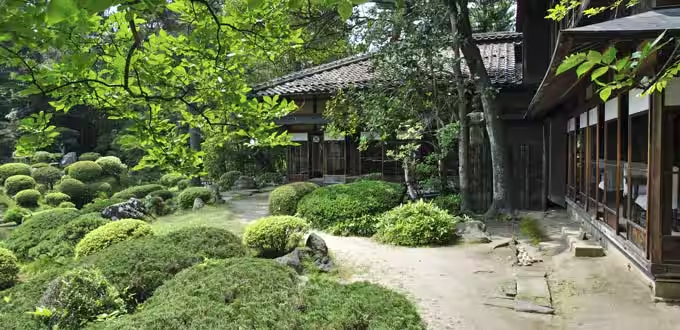 Sakata is a riverside jewel in the Yamagata Prefecture. Located in the shadow of Mount Chōkai, it is known for its sublime natural scenery and historical sites. Yamagata is nicknamed “the Fruit Kingdom” because the growing conditions there produce tantalizing fruit. Stop to sample ruby red cherries and mouthwatering French pears. A fantastic seafood market is also a quick stroll from the port if you’re still hungry. Carry yen to make purchases.
Sakata was a prosperous port during the Edo era due to its location on the Mogami River. Encounter several styles of traditional Japanese architecture from the 1700s at the Homma Historical Residence. Another place to explore old Japan is the Sankyo Soko Storehouse, a rice warehouse with 12 attractive storehouses dating back to 1893. Watch daily dance performances at Sōmarō, a Maiko tea house. Visit Japan’s first museum of photography – the Ken Domon Museum. It houses the works of Ken Domon, a photographer who redefined realism.
Meals included: All on-board the ship.
Day 12. Wednesday, April 19. Hakodate, Japan.
Ship arrives 8 a.m.; departs 9 p.m.
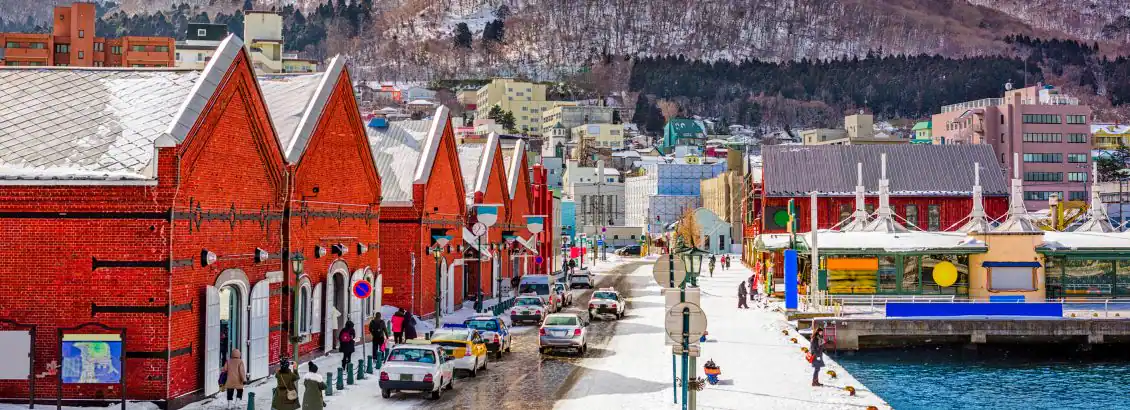 If Japan ever had a wild west, it was Hokkaido. Oh, all the classic movie stuff of samurai bashing each other with swords never made it this far north, but the image of the West—open spaces, places to disappear, actual land horizons (which no other island in Japan has)—lingers.
Hokkaido is the only spot among Japan’s primary islands where a non-Japanese culture manages to survive relatively intact, at least as an identity if not a lifestyle. The Ainu were here first and are fairly easy to recognize; they have paler skin and more hair than ethnic Japanese. Cornerstones of Ainu culture remain, too: ceremonies that include sacrificing a bear (not often—bears are rare, although, this being the wild west, there are still some out there), the beautiful attush robe, a dislike of uncooked fish.
Meals included: All on-board the ship
Day 13. Thursday, April 20. Aomori, Japan.
Ship arrives 8 a.m.; departs 7 p.m.
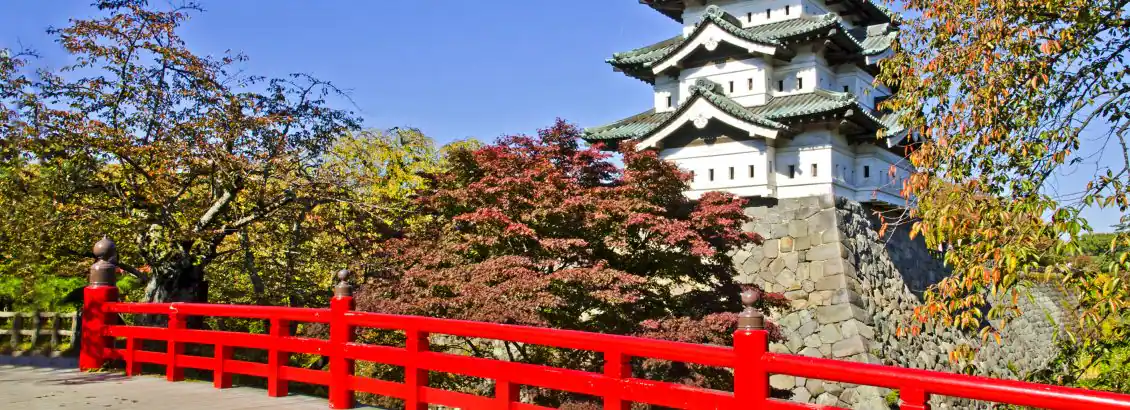 Most Japanese used to think of Aomori merely as the place you caught the ferry to when you were going to Hokkaido. By the time you’d gotten here, they figured, you were pretty much at the edge of the civilized world. The small Tsugaru Strait that separates Honshu from Hokkaido isn’t big—only about 12.5 miles at its narrowest point—but it’s ecologically important: Hokkaido has animals related to northern Asia, whereas Honshu’s are more closely related to southern Asia’s. The strait is also famous for sudden, very rough weather and for no shortage of shipwrecks. The city was flattened in World War II, so there isn’t much history left to see. Still, it’s a lovely area, not much congestion or development, and because the town is still the major gateway to Hokkaido, the city has money to spend on architecture and parks.
Meals included: All on-board the ship
Day 14. Friday, April 21. Miyako, Japan.
Ship arrives 8 a.m.; departs 5 p.m.
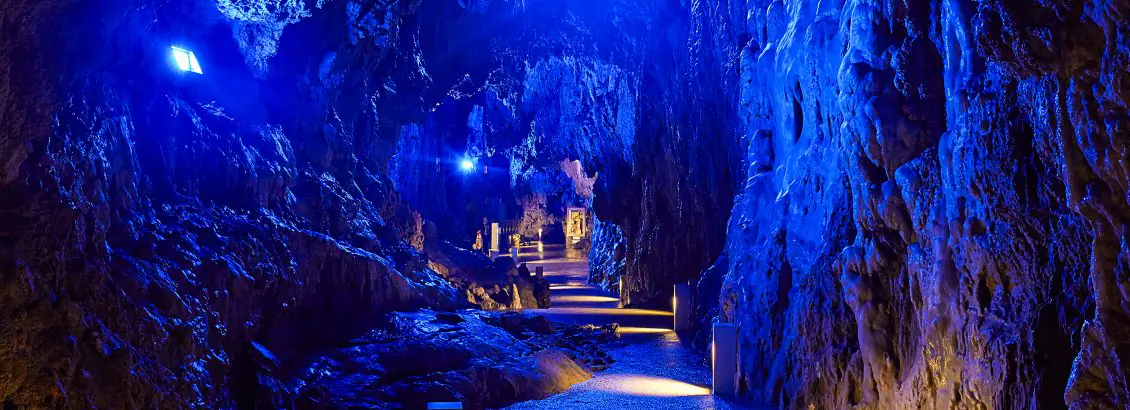 Miyako is a place where nature’s power and human resilience go hand in hand. In 2011, the towering waves of the Great East Japan Earthquake devastated its coastline, but the city has since rebuilt with strength and determination. Today, Miyako stands as an example of perseverance, welcoming visitors to experience its stunning coastal landscapes, rich seafood culture, and deep maritime traditions. The city is best known for Jodogahama Beach where white limestone cliffs rise from the blue waters. As part of Sanriku Fukko National Park, Miyako is also home to rugged hiking trails, dramatic sea caves, and scenic capes, making it an ideal destination for nature lovers.
Meals included: All on-board the ship
Day 15. Saturday, April 22. At Sea. Free Day!
Today is yours to plan as you would like—it could be casual beading, a massage at the spa, or anything else the ship has to offer. And, of course, it means organizing your suitcase for your trip home.
Meals included: All
Day 16. Sunday, April 23. Disembark in Tokyo.
All good things must come to an end. A transfer from the ship to the airport is included in your Beadventure.
Meals included: Breakfast
About the Project . . .
Kinga is designing a project inspired by our itinerary . . . check back to see what she has designed!
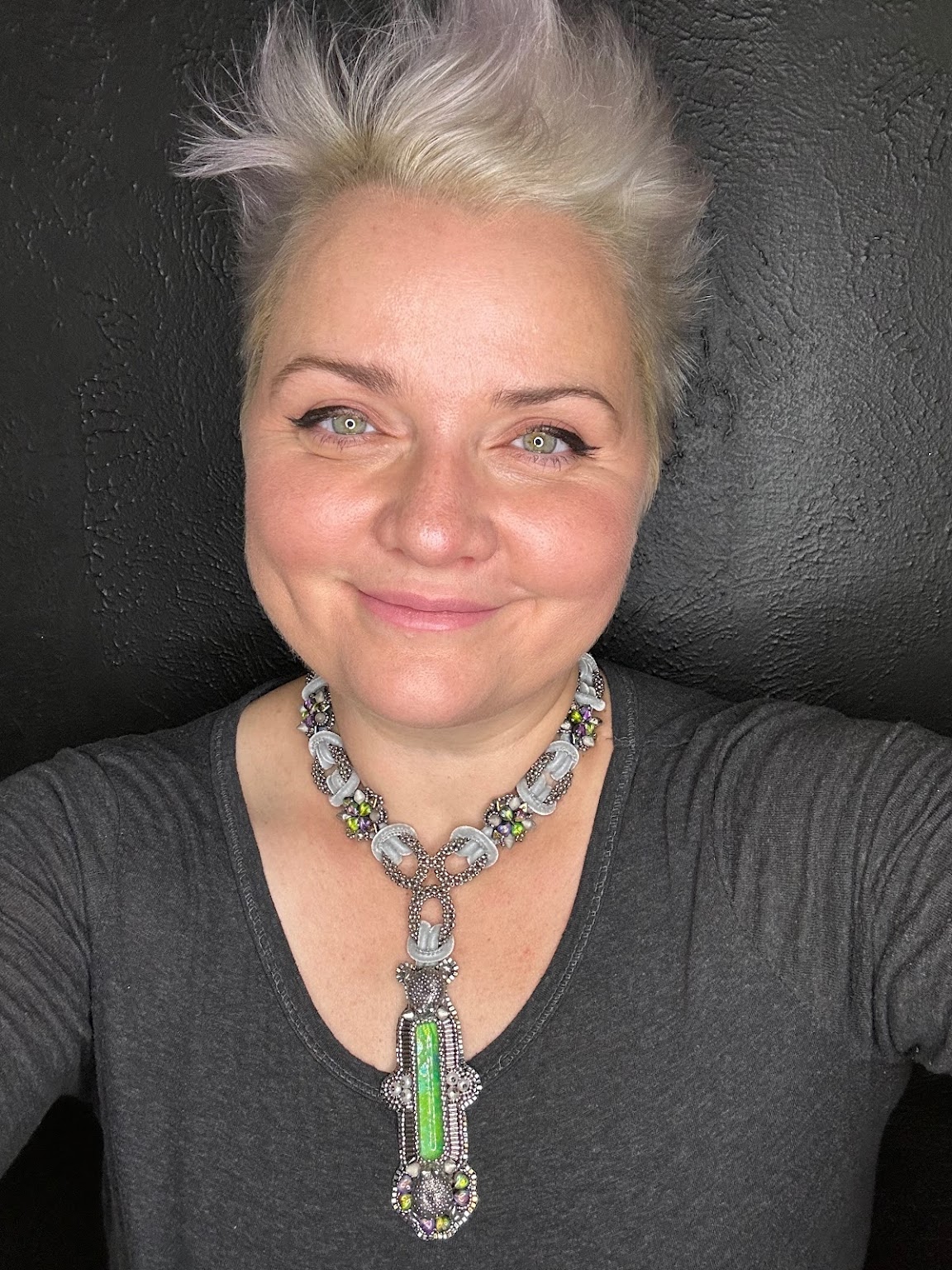 About our Teacher Kinga Nichols Bledsoe . . .
Kinga was born in 1980, in Hungary. At 19, she packed up her life in a backpack and moved to the US where she has been residing since, albeit not at the same place. She currently lives in Jackson, Michigan with her family.
One way or another Kinga has been always making things, which started turning into a career when she was painting murals at the time she lived in New York. The murals were fun, but she did not feel like painting was her calling. Eventually she picked up a Bead and Button magazine in 2007, found a bead embroidery project, and slowly but surely the obsession took over.
After that first project, she started creating her own designs and quickly found her own distinctive voice that allowed her to translate her imaginings into beadwork. Kinga is always brainstorming, and her imagination provides an endless supply of fanciful ideas that she translates into bead embroidery.
Since 2013, Kinga has been teaching her designs all over the US, and some times outside the US. Her greatest joy is planting little seeds of creativity in minds and hearts, wherever she goes. Encouraging others to embrace their own creative voice is her calling.
Trip Cost
$4,995 for a shared hotel room in Tokyo and shared interior ship cabin (Category MM); single supplement is an additional $3,179. Cabin upgrades (Oceanview, Verandah) are available at an additional cost based on availability.
IMPORTANT NOTE: This itinerary is proving to be quite popular so if you have a cabin preference, it would be best to sign up early!
Non-beader savings: $100.00
Cost includes:
- One pre-cruise hotel night in Tokyo, Japan
- 14-day cruise aboard Holland America's Noordam
- All breakfasts, lunches, dinners aboard the ship
- Transportation from the Tokyo airport to the hotel
- Transportation from the hotel to the ship
- Transportation from the ship to Tokyo airport for departure
- Tuition for workshop with Kinga
Cost Does Not Include:
- Airfare
- Meals on day of arrival in Tokyo
- Trip insurance (highly recommended)
- Shore excursions/tours
- Kit for Kinga’s workshop
To Sign Up
To guarantee your spot on this trip, review Beadventures'
Conditions & Responsibilities, complete a
registration form, and send in a $1,000 deposit. Final payment will be due 120 days prior to the start of the trip.
Questions? Just send an email!
Trip Notes . . . IMPORTANT!
Travel Insurance
You are making a big investment in your upcoming travel. Despite all your planning, travel can be unpredictable--from cancelled flights to last minute illness. To help protect the investment you are making in your upcoming trip, you are strongly encouraged to purchase trip insurance. Holland America has
trip protection coverage and/or research other options by clicking
here.
Passport
Check your passport expiration date to make certain it is valid for at least six months beyond the dates of this trip.
About Activities While in Port / Shore Excursions
Beadventures does not arrange separate tours or shore excursions while on the cruise. Options are available through Holland America and other private tour operators.
About Cruising on a Beadventure
Beadventures doesn’t structure group activities on the days that the ship is in Port. You can enjoy a shore excursion based on your area of interest or relax enjoying some down time. There also will be opportunities to informally get together to bead, knit, and visit. In the evening the group will come together for dinner, or if you chose, you can enjoy in-room dining or dinner at one of the ship’s specialty restaurants. We’re flexible—you can have as much together time and/or on-your-own time as you prefer!
Bead Workshop Gear
Remember to bring your customary beading supplies (beading mat, needles, thread, scissors, magnification, and rechargeable battery-powered task light). A battery-powered light is important because extension cords/outlets may not be readily accessible.